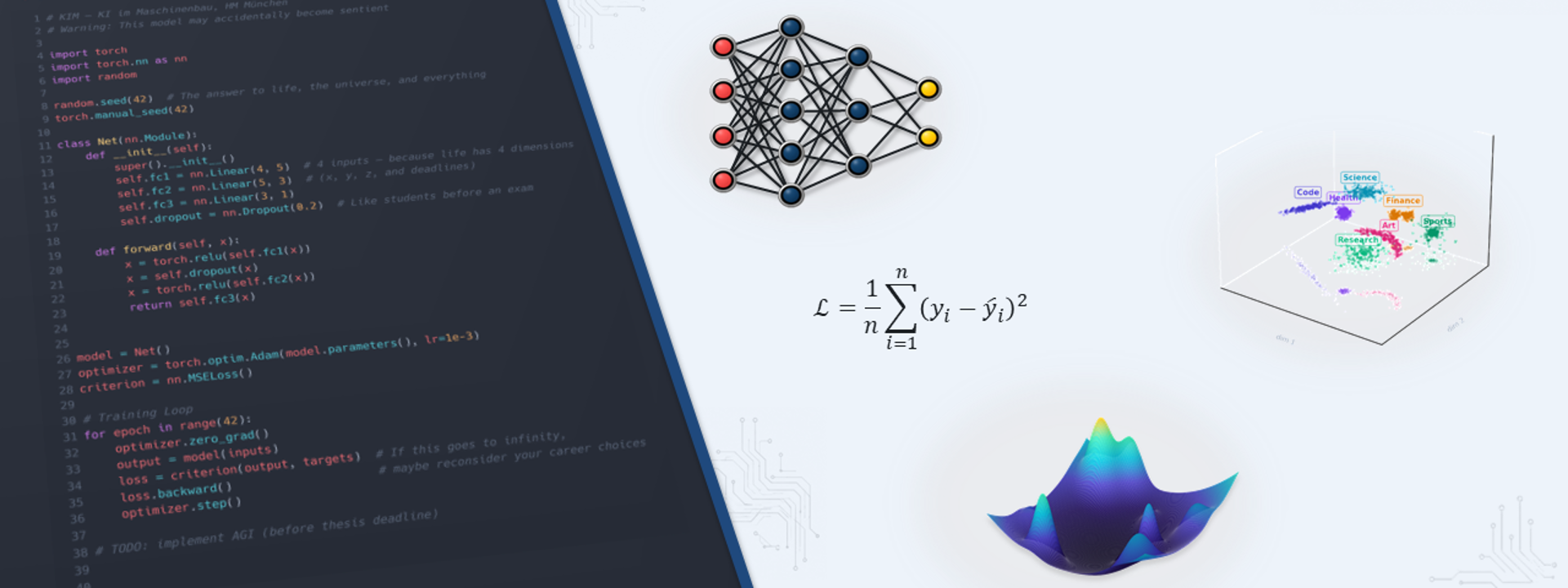
KIM – Research
Our research develops and validates data-driven methods for the analysis, condition monitoring, and optimization of technical systems – and transfers them directly into industrial applications. The focus is on machine learning, deep learning, and statistical models for real industrial challenges.
At KIM, raw industrial data becomes reliable decision intelligence. Companies contribute their questions, equipment, and data – we provide the methodological foundation and experimental infrastructure. The result: deployment-ready AI solutions that shorten development cycles, stabilize processes, and reduce resource consumption.
Our Research Focus Areas
Our research combines state-of-the-art AI methods with engineering practice. The core focus areas are:
-
- Data-Driven Condition Forecasting: Development of ML models that detect wear and malfunctions at an early stage, enabling planned and predictable maintenance strategies.
- Predictive Quality: Application of statistical and AI-based methods to detect quality deviations in real time and minimize scrap.
- Adaptive Control & Self-Learning Agents: Use of reinforcement learning algorithms that autonomously optimize processes and inspection routines while adapting to changing conditions.
- Digital Twin & Simulation Analytics: Coupling of virtual twins with live data to run through scenarios, shorten development cycles, and reduce risks.
- Feature Engineering & Data Preparation: Scalable pipelines for data cleaning, synchronization, enrichment, and feature extraction – the foundation of reliable models.
- Explainable AI: Methods that make decision pathways more transparent, build trust, and meet regulatory requirements.
Real-World Application Areas
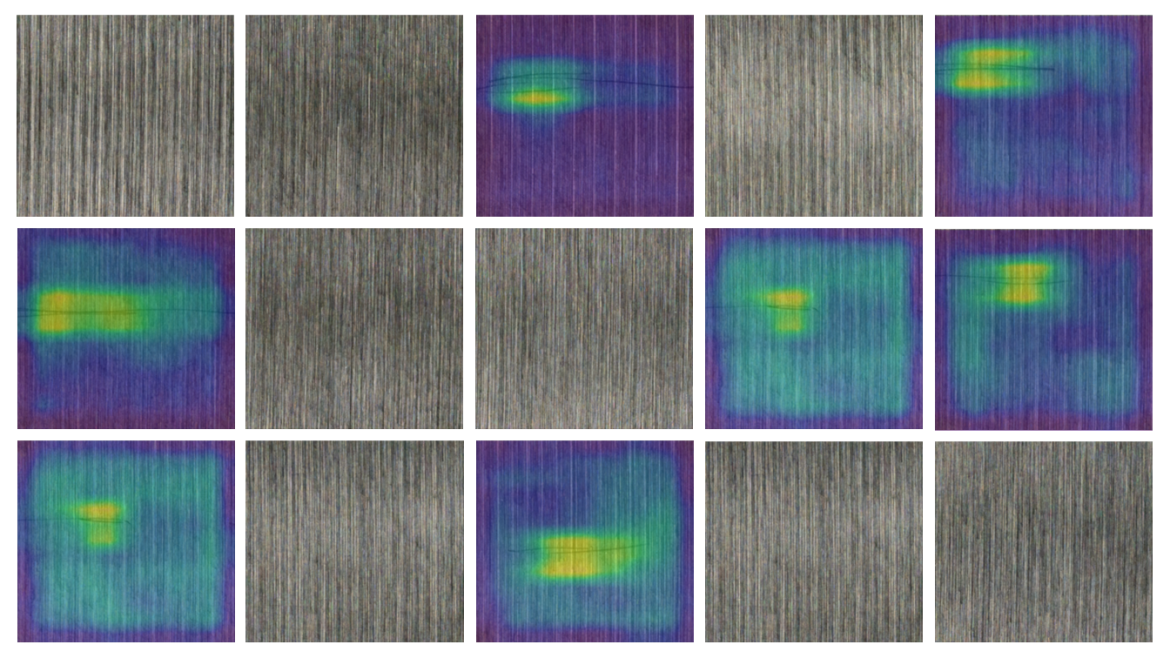
- Quality Monitoring at End of Line: AI-assisted end-of-line inspection that evaluates sensor and image data captured throughout the process to immediately detect deviations and minimize scrap.
- Anomaly Detection in Safety-Critical Systems: Analysis of image, signal, and telemetry data for the early detection of unusual patterns and risks, ensuring the highest levels of operational safety.
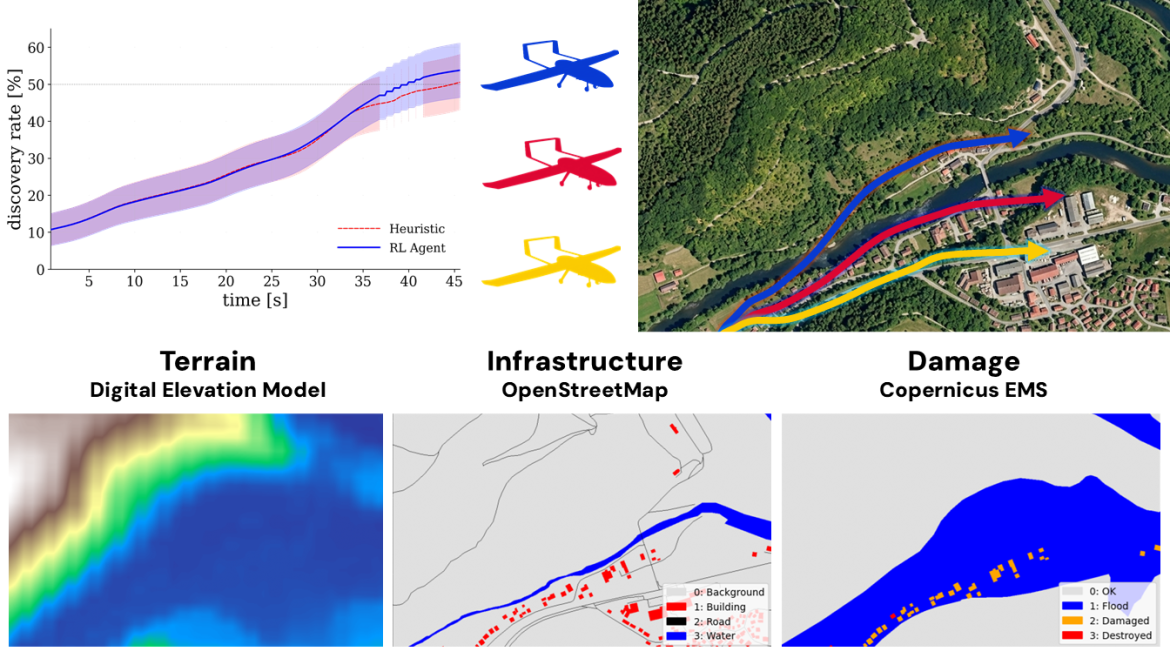
- Trajectory Planning for Autonomous Drones: Reinforcement learning-based route optimization with flexibly adjustable constraints – for efficient, safe, and energy-saving flight paths.
- Usage Scenario & User Profile Analysis: Evaluation of field data to identify real-world usage patterns and user behavior. The insights gained enable more targeted test plans and customer-oriented, needs-based product design.
- Meta-Modeling & Surrogate Models: Development of fast, data-driven substitute models based on diverse simulations. These support early design decisions, reduce computational effort in the development process, and accelerate variant studies.
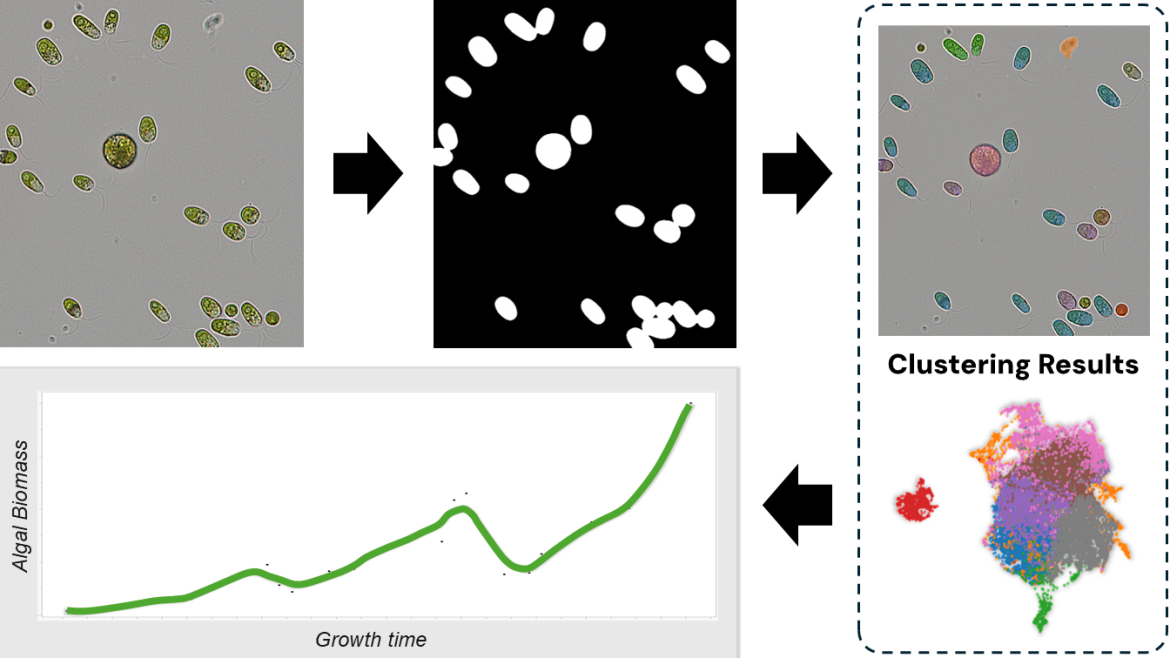
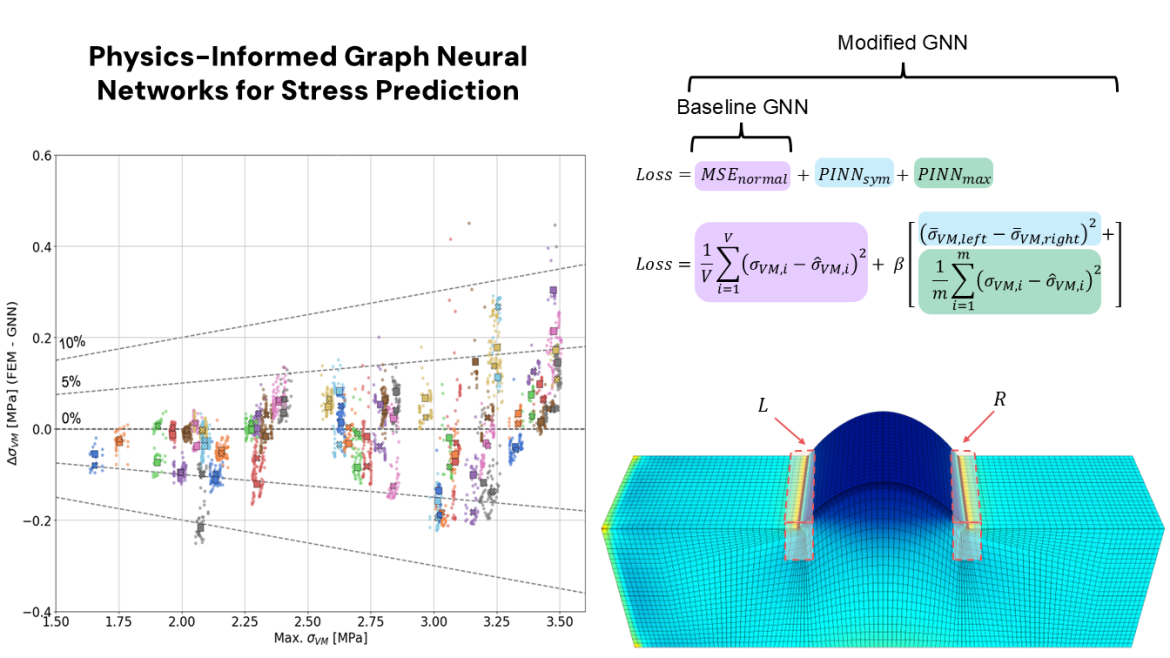
Cooperation Partners
Technical Equipment
- Deep Learning Workstation with 2x NVIDIA RTX A5500 GPUs uand 128GB DDR4-RAM
- Deep Learning Workstation with 2x NVIDIA RTX 6000 Ada Lovelace GPUS, 1x NVIDIA RTX 6000 Blackwell Pro Max-Q GPU and 192GB DDR4-RAM
- Access to the BayernKI-Cluster at LRZ, including 320x NVIDIA H100 GPUs
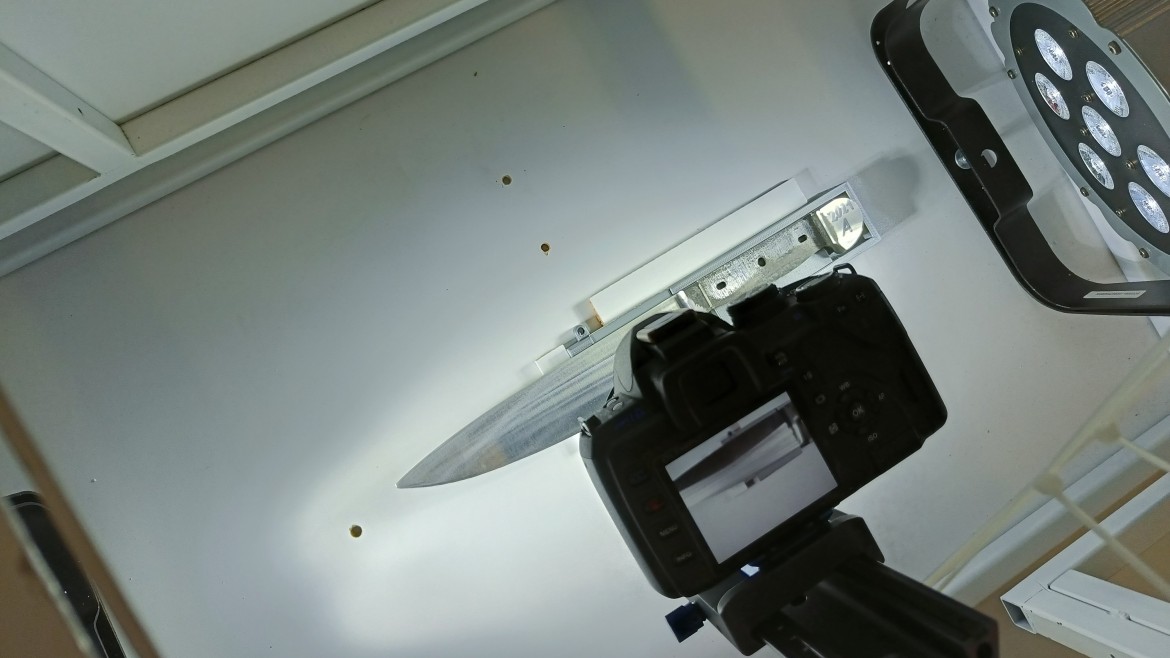
- Condition Monitoring & Predictive Quality Test Bench with multiple cameras (Fujifilm X100VI, GoPro HERO12, and industrial CCD cameras) for the acquisition of complex workpiece surfaces